



For more than two decades, the modernization of the Albanian Armed Forces has gone hand in hand with the strategic partnership with the United States.
From post-90s military reform to NATO membership, to investments in helicopters, cyber defense, training, and military interoperability, the American program Foreign military financing (FMF) has been one of the main instruments that has supported the transformation of Albania’s defense capabilities.
Ratification of the agreement by the Assembly for a direct loan of $302 million does not mark the beginning of this cooperation. It marks a new stage in it.
For the first time, Albania will use the mechanism FMF Direct Loan, joining the group of NATO allies that have financed the modernization of their armed forces through direct American loans, an instrument that Washington has also used in recent years for countries such as Poland and Romania.
At first glance, the agreement may seem like just another financial act in the field of defense. In reality, it is the largest agreement of this kind that Albania has ever signed with the United States and one of the most significant financial commitments in the history of the Armed Forces.
The agreement was signed between the Ministry of Finance and Defense Security Cooperation Agency (DSCA), the US agency that administers security cooperation programs and military sales.
The funds will be used within the framework of the program Foreign military financing, a mechanism through which the US government supports its strategic partners in the acquisition of US military equipment, services, and technology.
This instrument is not unknown to Albania. Quite the contrary.
Official American documents show that in recent years the FMF has financed some of the most important modernization projects of the Albanian army.
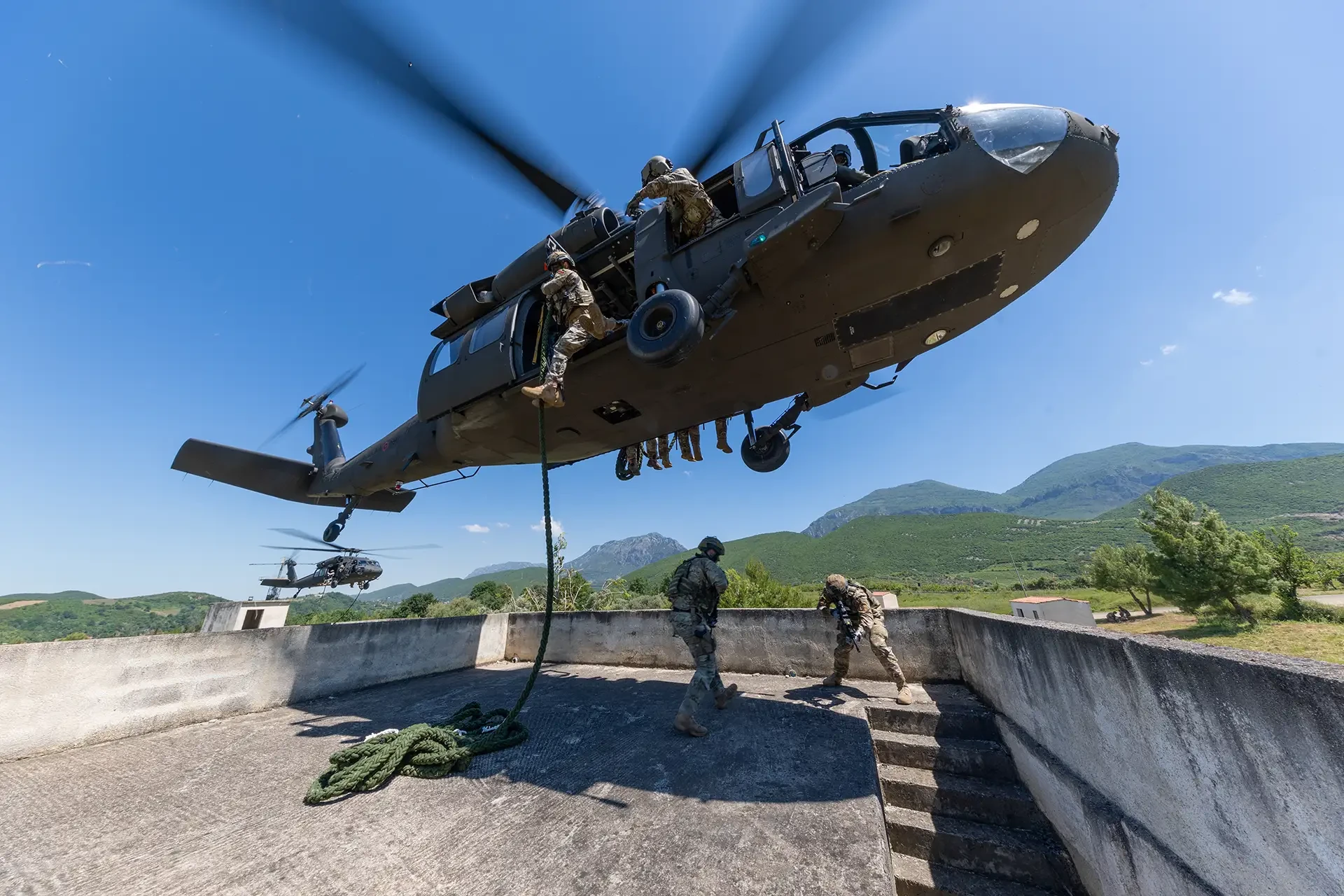
In 2018, Albania became one of the first six countries to benefit from European Recapitalization Incentive Program (ERIP), receiving $30 million from FMF for the purchase of UH-60 Black Hawk helicopters.
In exchange, the Albanian government committed to investing another $12 million from national funds and decommissioning Russian-origin air platforms.
In the same period, $18.2 million in FMF was used to develop the Ministry of Defense’s cyber defense capabilities.
The program has also funded the training of Albanian officers, the development of specialized units, and the enhancement of the interoperability of the Armed Forces with NATO.
Just a few months ago, the FMF program temporarily found itself at the center of uncertainties created by the new US administration.
In January 2025, the United States temporarily suspended most foreign assistance programs as part of a 90-day review.
However, funds for Albania were unblocked before the end of this process, signaling that military cooperation with Tirana continued to be considered a strategic priority.
Today, a little over a year later, that partnership takes on a new dimension.
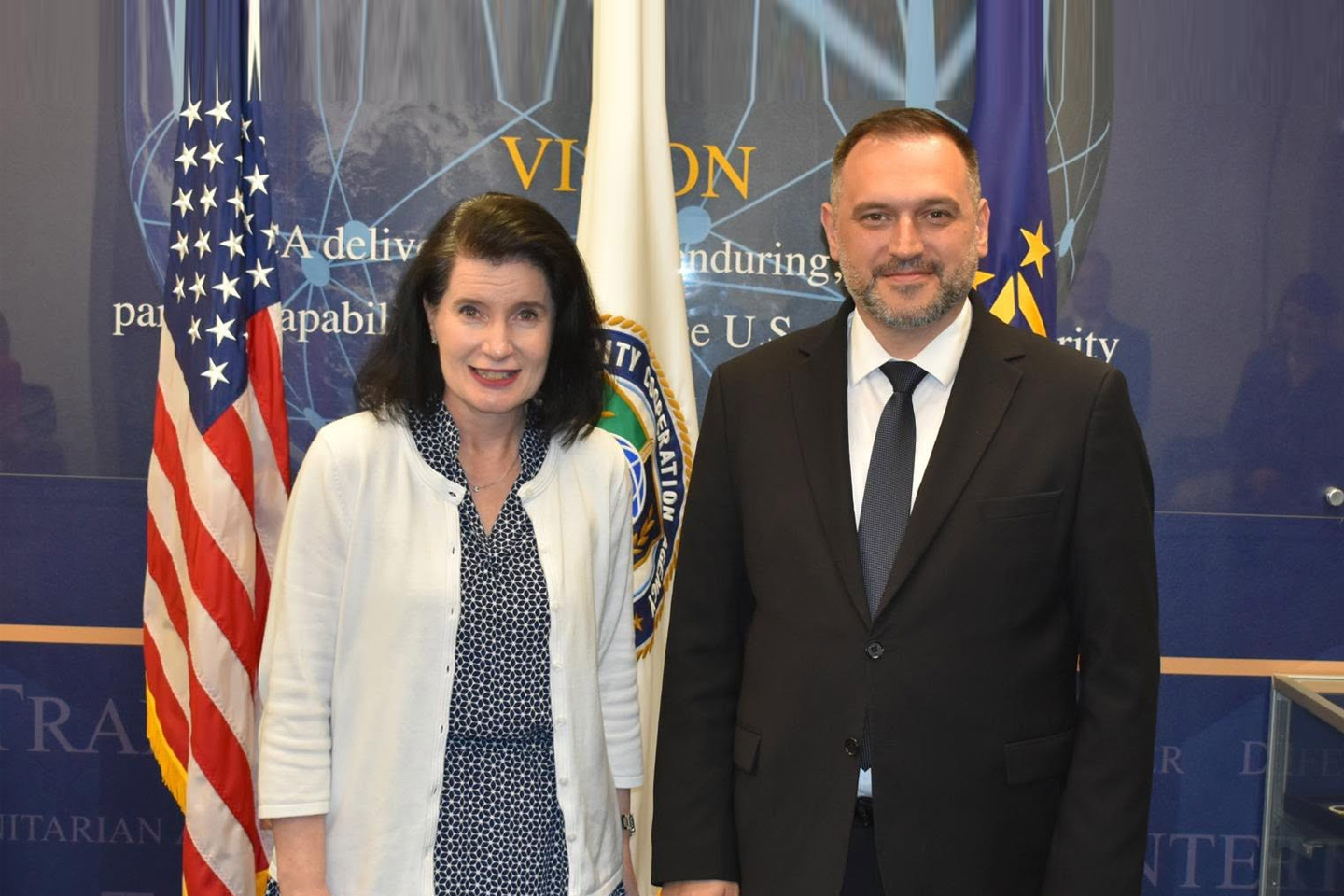
According to historical data of Defense Security Cooperation Agency, by the end of fiscal year 2023, Albania had benefited from around $58 million under Foreign Military Financing, while transactions through the Foreign Military Sales program amounted to around $32 million.
Even including other categories of security cooperation reported by DSCA, the historical value amounts to about $195.5 million.
This means that the new $302 million loan alone exceeds all financial cooperation reported by DSCA for Albania through fiscal year 2023.
This comparison should not be interpreted as the total value of American aid to Albania.
The US Department of State estimates that since 1991, US assistance to Albania exceeds $1 billion, including justice reforms, economic development, institutional strengthening, health, education, and other civilian programs.
In the case of the new agreement, what is known is still far less than what remains unknown.
During the discussion in the Assembly, the head of the Socialist Party Parliamentary Group, Taulant Balla, announced that Albania will have 48 months to activate the funds and 12 years to repay the loan. According to him, the agreement also provides for a grace period of up to one year, as well as the right to prepay without penalties.
It is not known whether the funds will be used for a single modernization program or for several separate contracts within the American system. Foreign Military Sales, nor whether they will cover only the purchase of equipment or also maintenance, logistics, spare parts and training.
Albanian Post also contacted Defense Security Cooperation Agency (DSCA), requesting additional information on the agreement, the history of FMF cooperation with Albania, and the projects expected to be financed through the loan. As of the time of publication of this article, the agency had not responded.
This lack of transparency was also reflected in the parliamentary debate. The opposition stated that it supported the strategic agreement with the United States and increased defense investment, but opposed the ratification procedure, arguing that full documentation had not been made available to MPs and that an agreement of this magnitude required a more thorough parliamentary review.
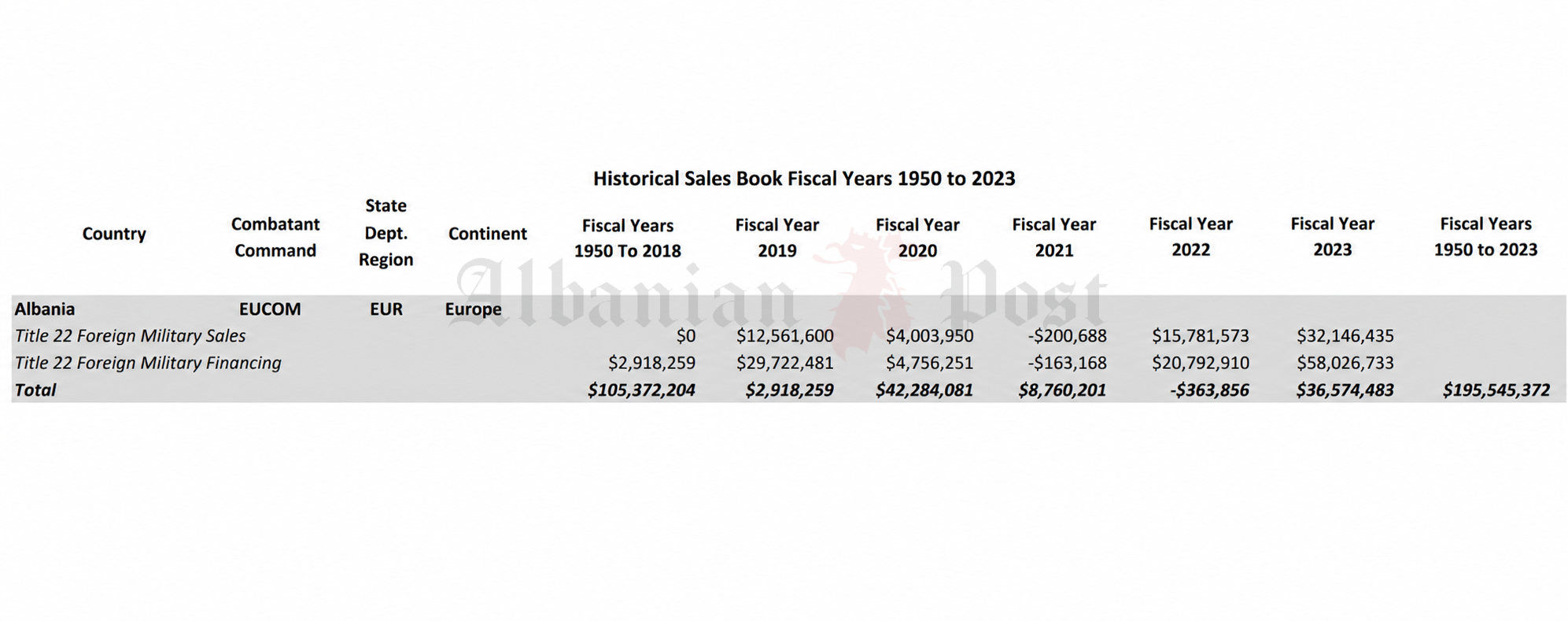
Meanwhile, developments in recent weeks show that the agreement did not come about by chance. The visit of Defense Minister Ermal Nufi to Washington and the meeting with the acting director of DSCA, Mary Beth Morgan, focused on advancing projects of mutual interest and strengthening the strategic partnership between the two countries.
Although official announcements did not directly link that visit to the $302 million loan, the timing of the developments places the agreement in the same political and strategic context.
At a time when the war in Ukraine has changed the security architecture in Europe and NATO allies are significantly increasing defense investments, Albania is choosing to use the same financial instrument that Washington has made available to some of its most important partners.
But, unlike Poland or Romania, Albania has not yet made public the most important element of this agreement: what exactly the $302 million will buy.
Until this question is answered, the agreement will remain both the most ambitious investment in the modern history of the Albanian Armed Forces and one of the largest financial commitments ever undertaken in the defense sector, about which the public still knows very little.