



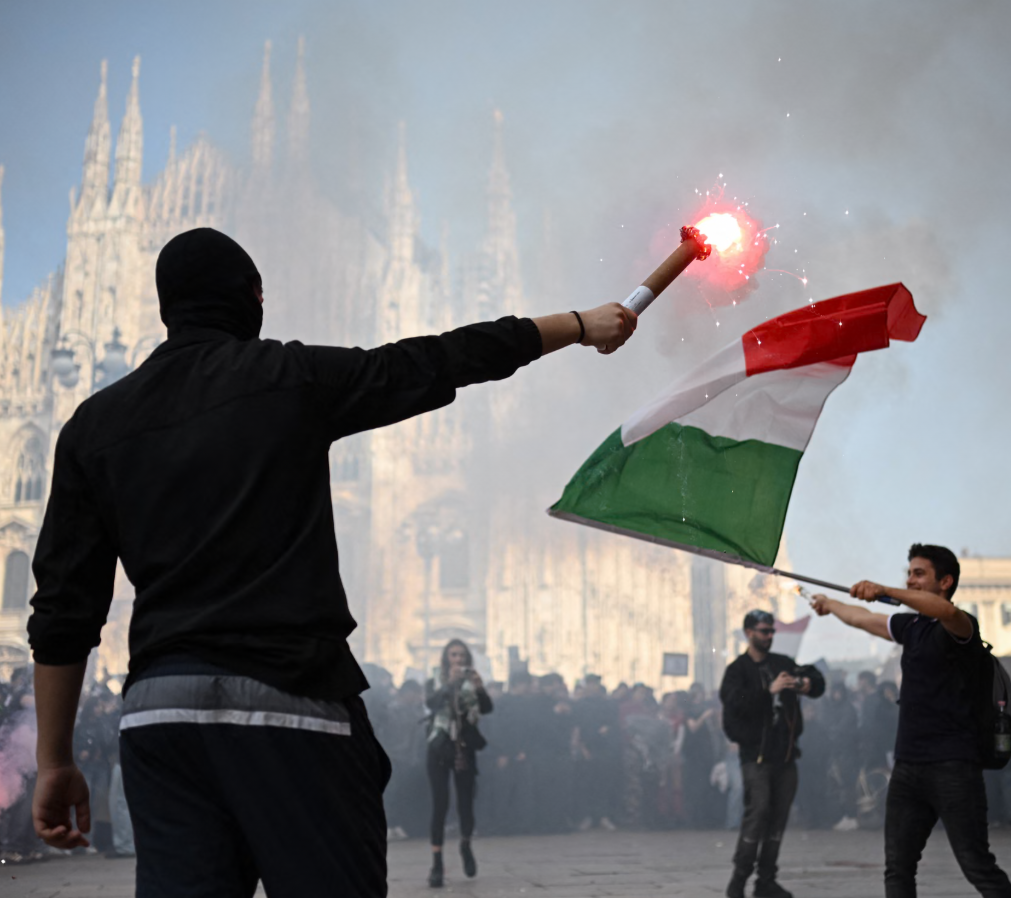
From Paris to Milan to Tirana, European governments are grappling with a wave of protests accompanied by violent clashes, property damage and police intervention. The response from authorities is taking a similar direction: tighter security measures, harsher penalties and new restrictions on those involved in the unrest.
But the similarity of appearances hides fundamental differences. In France, protests began with dissatisfaction with the state of education and expanded into a movement against the rising cost of living. In Italy, energy prices, low wages and a housing crisis have prompted the mobilization of thousands of citizens. In Albania, economic and social concerns have intertwined with opposition to corruption and demands for the removal of Prime Minister Edi Rama.
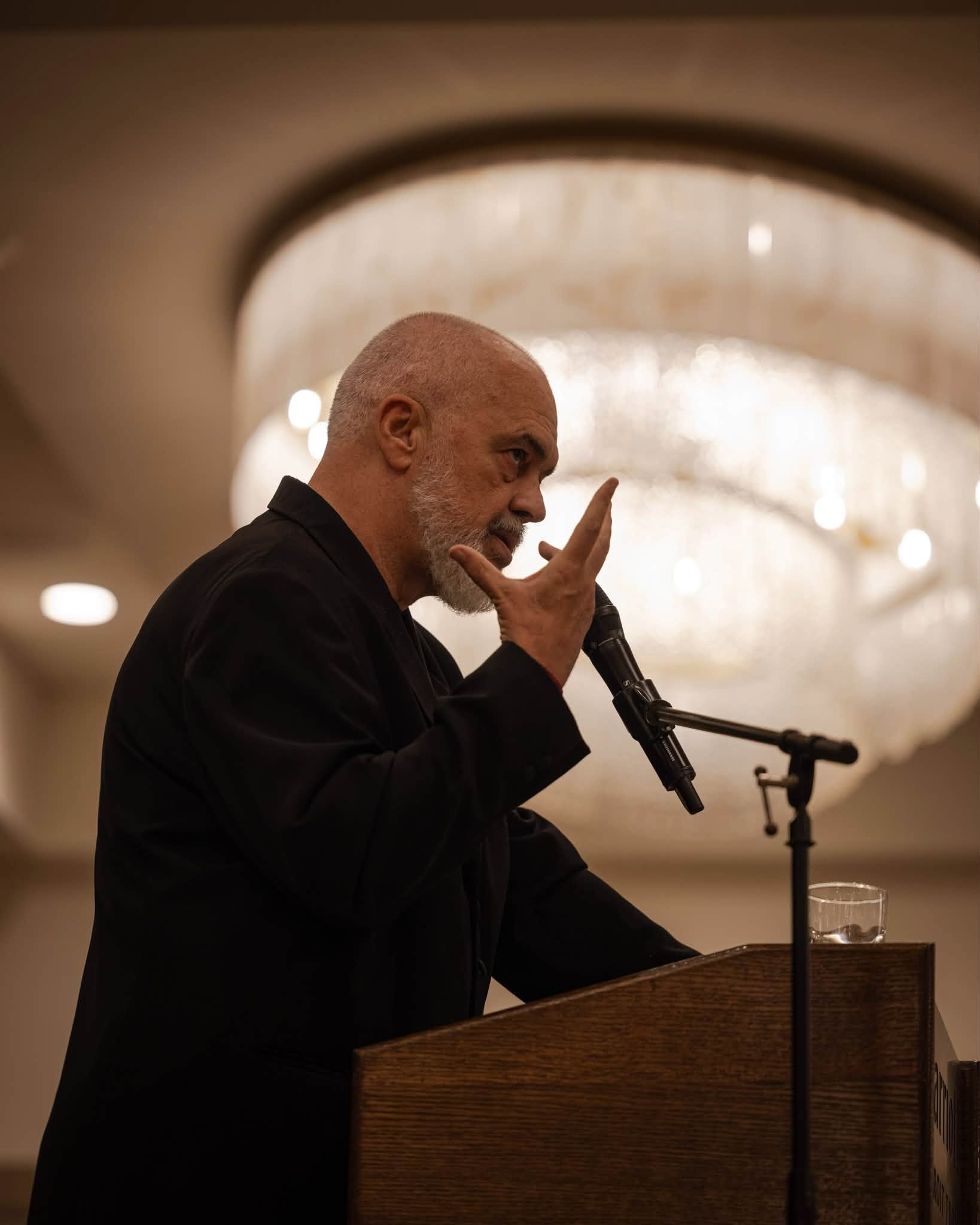
Rama seeks the European model, Balla urges the adoption of measures
Prime Minister Edi Rama has announced a new package of punitive measures for those involved in the violence during the protests in Tirana, taking as a reference the response of France and Italy to the unrest that has engulfed these countries.
In a meeting with representatives of the banking sector, Rama stated that those who have damaged public or private property will be forced to pay for the damages, while announcing that the government has collaborated with French and Italian authorities to draft the Albanian package. “France came up with its own package, Italy came up with its own package. We have collaborated with both parties on our package, which also has some specifics, because here, as I said, it is not just an issue of Antifa,” the prime minister declared.
He also linked the unrest to the activities of extremist groups, suspicious financing and interventions that, according to him, aim to destabilize the country and incite religious hatred. These claims require concrete evidence and investigations to be confirmed, beyond the acts of violence documented during the protests. The initiative also received support from the head of the socialist parliamentary group, Taulant Balla, who asked that the government not delay in approving the measures. “We should at least do 1/10 of what Meloni or Macron are doing in this situation,” Balla declared after the parliamentary session, guaranteeing that the Albanian measures will be based on the models of the two European countries. He added that Albania will be more restrained in their implementation, linking this approach to the country’s aspiration for integration into the European Union.
But can security measures from France and Italy be transferred to a country where protests have also taken on the character of a direct challenge to the government?
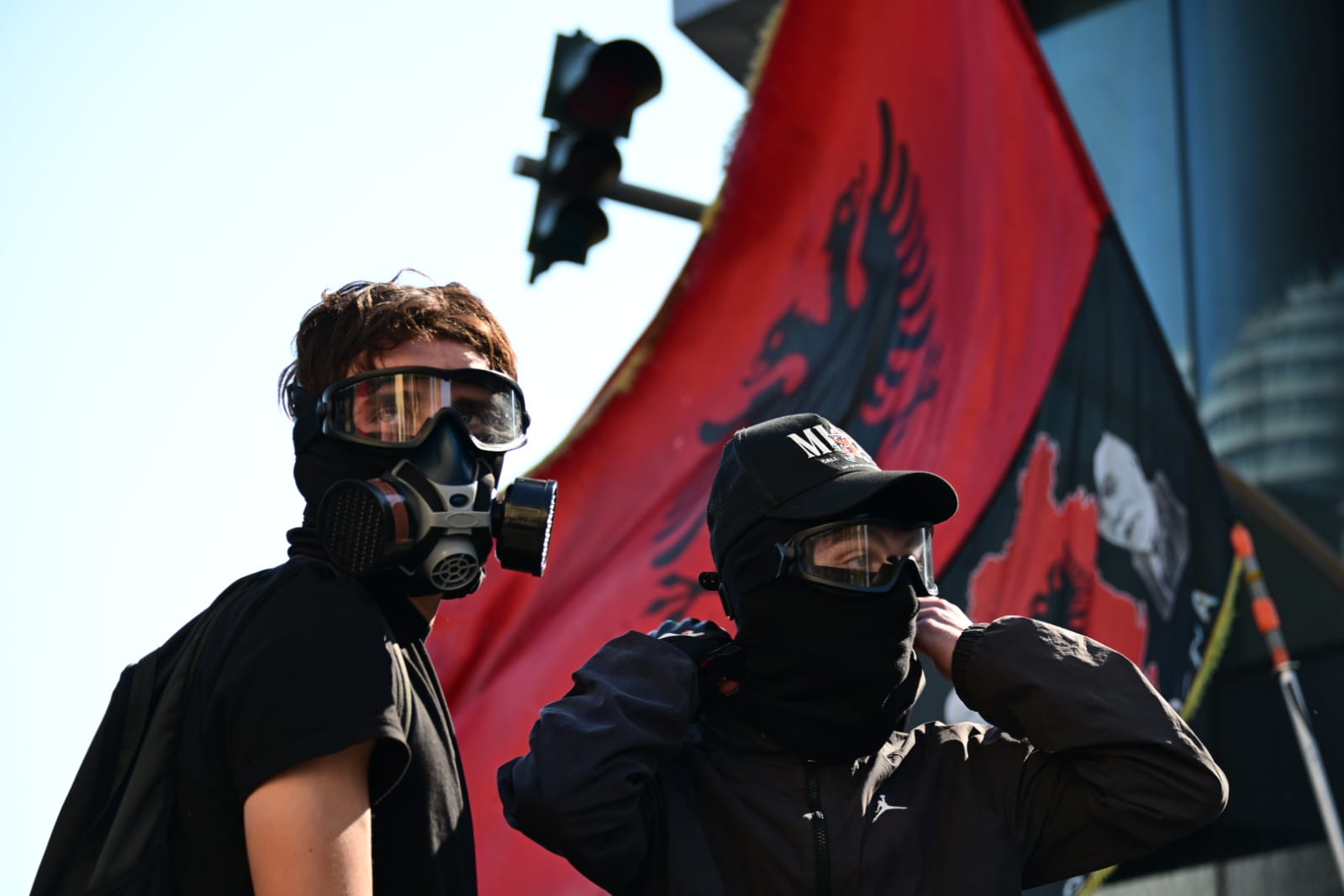
France limits protests, Italy toughens punishment
French President Emmanuel Macron announced on October 22 that demonstrations that authorities consider illegal would be banned, following the riots of October 17, when mass protests were accompanied by looting, arson and clashes with police.
Macron blamed radical leftist groups, whom he accused of seeking to destabilize the Republic. However, he distinguished between demonstrations organized by unions and groups involved in violence. In Lyon, authorities banned protests planned for Saturday, while in Paris restrictions and route changes were planned to protect businesses and shopping areas.
In Italy, Giorgia Meloni’s government has opted for a more direct criminal response. After the riots in Milan and other northern cities, the cabinet approved the deployment of 500 soldiers to guard sensitive sites, the creation of a new criminal offense for violent group actions during demonstrations, and toughening penalties.
According to the package approved by the Italian government, certain actions that endanger public safety are punishable by up to five years in prison and fines of up to 20 euros. The package also includes provisions for compensation for damages and financial liability of parents in cases involving minors. The difference between the two approaches is important. France is relying mainly on administrative restrictions on demonstrations, while Italy is expanding criminal and security instruments.
Albania has announced similar measures, but the final content of the package and its implementation mechanisms remain to be clarified. Consequently, a provision-by-provision comparison with French and Italian legislation cannot yet be made.
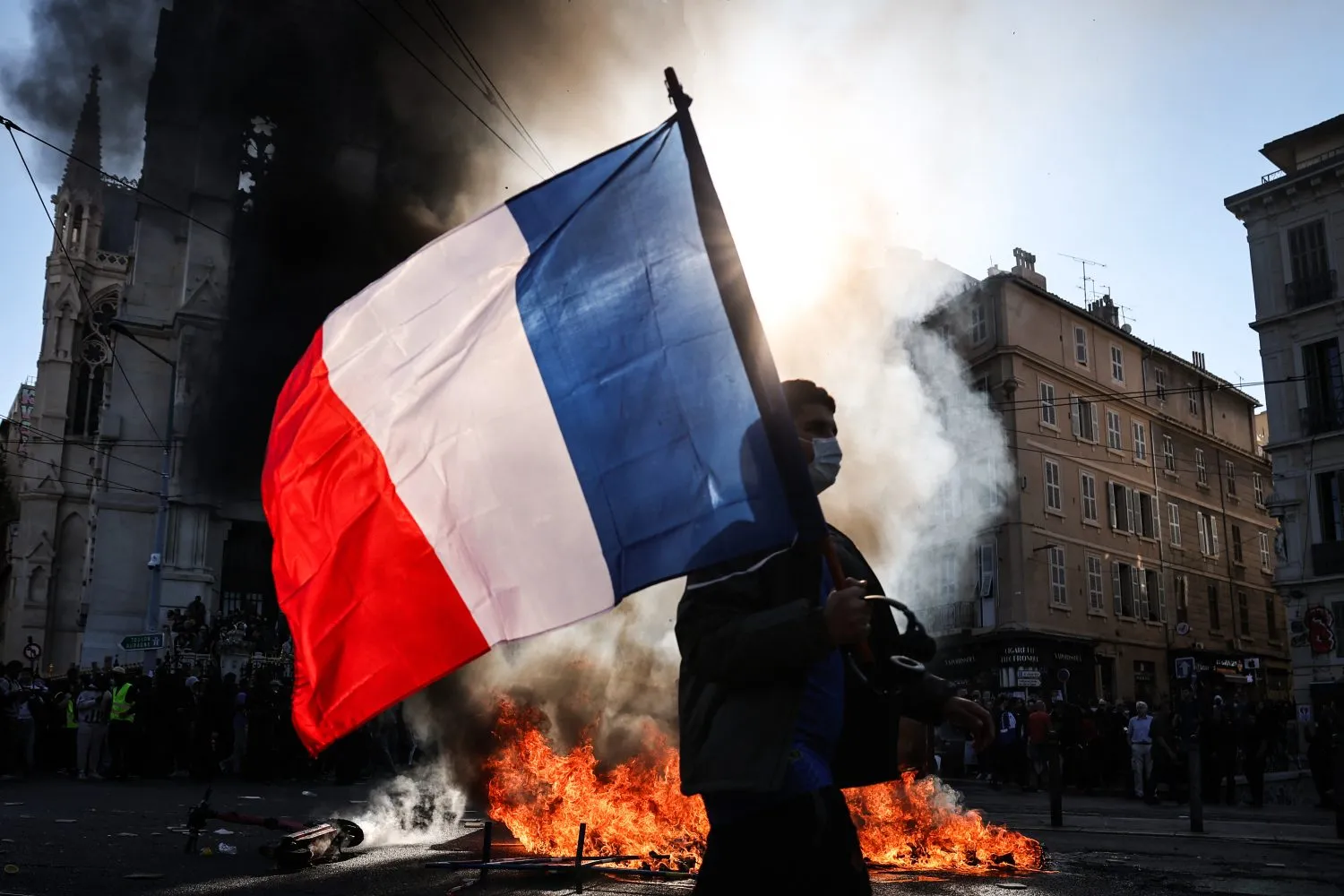
Migration, a political explanation for a social crisis
Although the protests in France and Italy have been largely driven by economic and social concerns, migration has been included in the political debate surrounding the unrest, particularly in the French case. US President Donald Trump has linked the unrest in France to immigration policies, presenting the situation as a warning to Western countries. Macron has rejected these interpretations, while French authorities have not presented evidence linking the violence to immigration.
Emmanuel Dupuy, president of the Institute for European Perspectives and Security Studies, described Trump’s interpretation as a political argument built for the domestic American debate. According to him, the problems of social integration should not be confused with migration as the cause of the unrest. In Italy, the protests take place in the context of the Meloni government’s tough policies on security and migration. However, the demonstrators’ demands are mainly related to the standard of living, wages, energy and public services.
The clash between social and security interpretations is not simply rhetorical. It also influences the type of political response: more control and punishment, or intervention in the economic and social conditions that have fueled discontent.
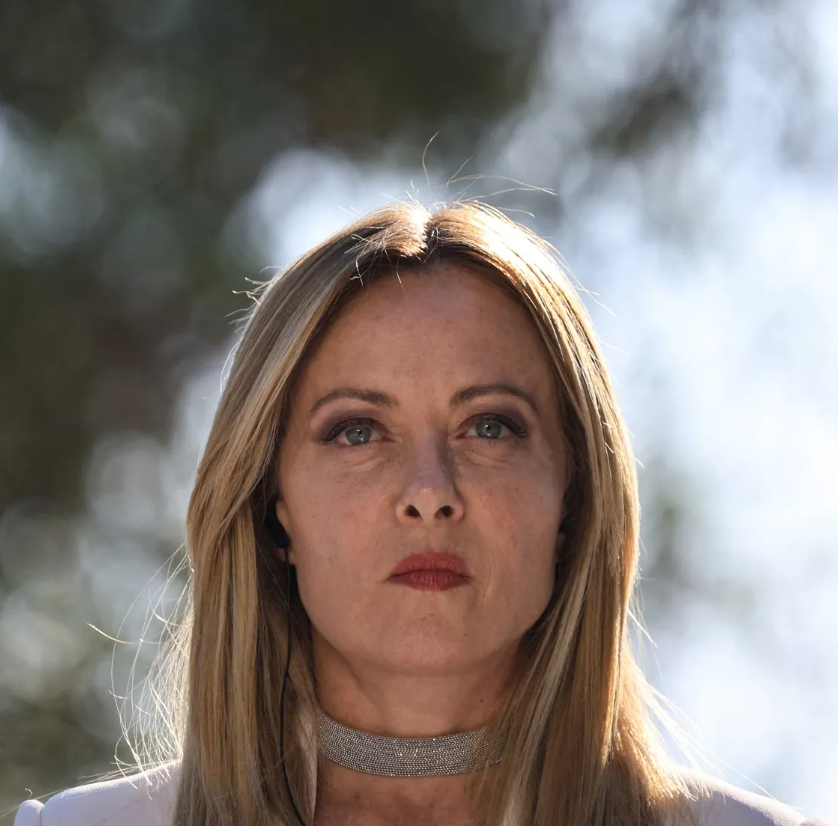
Draghi sees a generation with stalled expectations
In this debate, former Italian prime minister and former president of the European Central Bank, Mario Draghi, has offered an interpretation that differs from the security rhetoric of many governments. In an interview with Bloomberg, Draghi linked the youth revolt in Paris, Milan and other European cities to what he called “blocked expectations.” “Young people have the feeling that no one is listening to them,” he said. According to Draghi, the difficulties of finding jobs, limited opportunities for advancement and rapid technological transformation have created in young people the feeling that society no longer offers them clear paths to a better life.
When the economy does not grow, he argues, it becomes increasingly difficult to guarantee social justice between generations. This produces anxiety and disillusionment, while young people perceive society as a system where opportunities for progress are increasingly limited.
Draghi’s interpretation does not explain every incident of violence, and it does not imply that all protesters have the same motives. But it helps to understand a common element of the European unrest: the gap between the expectations of younger generations and the opportunities offered by economies and institutions.
Albania: when social discontent becomes a political crisis
In Albania, the movement known as “Flamingo” began with opposition to tourism projects in environmentally sensitive areas, before attracting students, pupils and citizens dissatisfied with corruption, education and economic prospects. The demand for Rama’s resignation has transformed the protest into a direct challenge to the government. However, analysts who have followed the developments distinguish this mobilization from traditional protests organized by political parties.
In an interview with Al Jazeera on October 20, analyst Ben Andoni described the mobilization as a “genuine horizontal revolt,” highlighting the lack of a leadership structure and defined short, medium, and long-term objectives. According to Andoni, this constitutes both a weakness of the movement and a difficulty for the government, which does not have a single interlocutor with whom to negotiate.
The decentralized nature of the movement and the demand for the government’s resignation distinguish the Albanian protest from the mobilizations in France and Italy. Consequently, the package announced by Rama should be evaluated not only for its effectiveness against violence, but also for the guarantees it offers for freedom of assembly and individual responsibility.
The boundary between individual responsibility and collective punishment
Liability for property damage, arson, or attacks on police is distinct from exercising the right to protest. But the new security measures have sparked debate even in countries that the Albanian government is taking as a model.
In France, Guillaume Baticle, a public law scholar and deputy editor-in-chief of the legal platform Les Surligneurs, explained to Le Monde on October 21 that banning a demonstration is only legal when less restrictive measures are not sufficient to prevent a breach of public order.
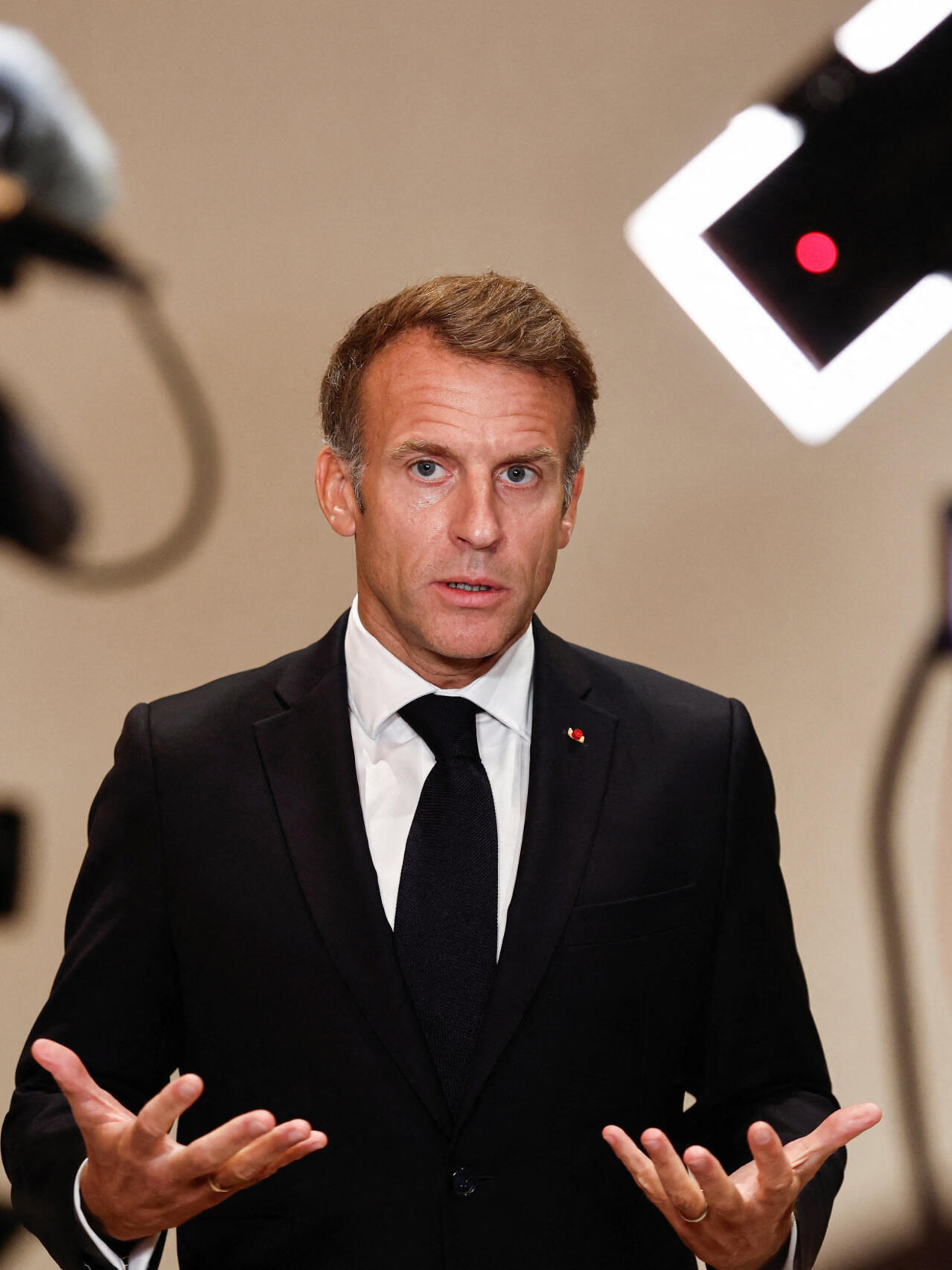
According to him, the authorities must assess the risk on a case-by-case basis, and even violent riots do not give them unlimited powers to ban gatherings. In Italy, the opposition has focused particularly on the toughening of penalties and provisions affecting minors. Claudio Cottatellucci, president of the Italian Association of Magistrates for Minors and the Family, told La Repubblica on 21 October that toughening penalties may win public support, but, in his opinion, is a failed and ineffective approach. He particularly opposed the increasingly similar treatment of minors to adults, stressing that violence perpetrated by a young person does not make him more mature in the legal sense.
Patrizio Gonnella, president of the prisoners’ rights organization Antigone, warned that the new criminal offense for violent participation in demonstrations and the increased responsibility for organizing through social networks could negatively affect the exercise of the right to protest. The Italian debate shows that the new security measures are also raising objections in countries that the Albanian government is taking as a model.
Beyond public order
The debate over how to respond to the unrest is not just taking place between governments and human rights organizations. Local leaders in the affected countries are also demanding that security measures be accompanied by an analysis of the causes of the unrest.
Milan Mayor Giuseppe Sala said on October 20 that the response to youth violence cannot be limited to suppressing riots. “It cannot be just a matter of repression,” he told ANSA, adding that politics must address the causes of discontent, without naivety and without tolerating violence.
A day later, Sala supported the immediate reinforcement of security and the deployment of 500 soldiers in Milan, but stressed that, in addition to controlling the situation, institutions must also face a deep problem affecting relations between generations. The discussion in France and Italy is focusing on the balance between protecting public order and respecting civil liberties. For Albania, where the protests have also taken on a direct political objective, this dilemma is compounded by the need to ensure that the punishment of violence does not turn into a restriction of peaceful protest.
But Mario Draghi’s warning broadens the debate beyond security instruments. Behind the unrest lies a generation’s sense that opportunities for progress are shrinking and that its voice is not being heard by institutions. Governments can punish violence and restore order to the streets. Restoring trust in institutions and the future, however, requires more than security measures.